Our briefs this week
Regulatory brief
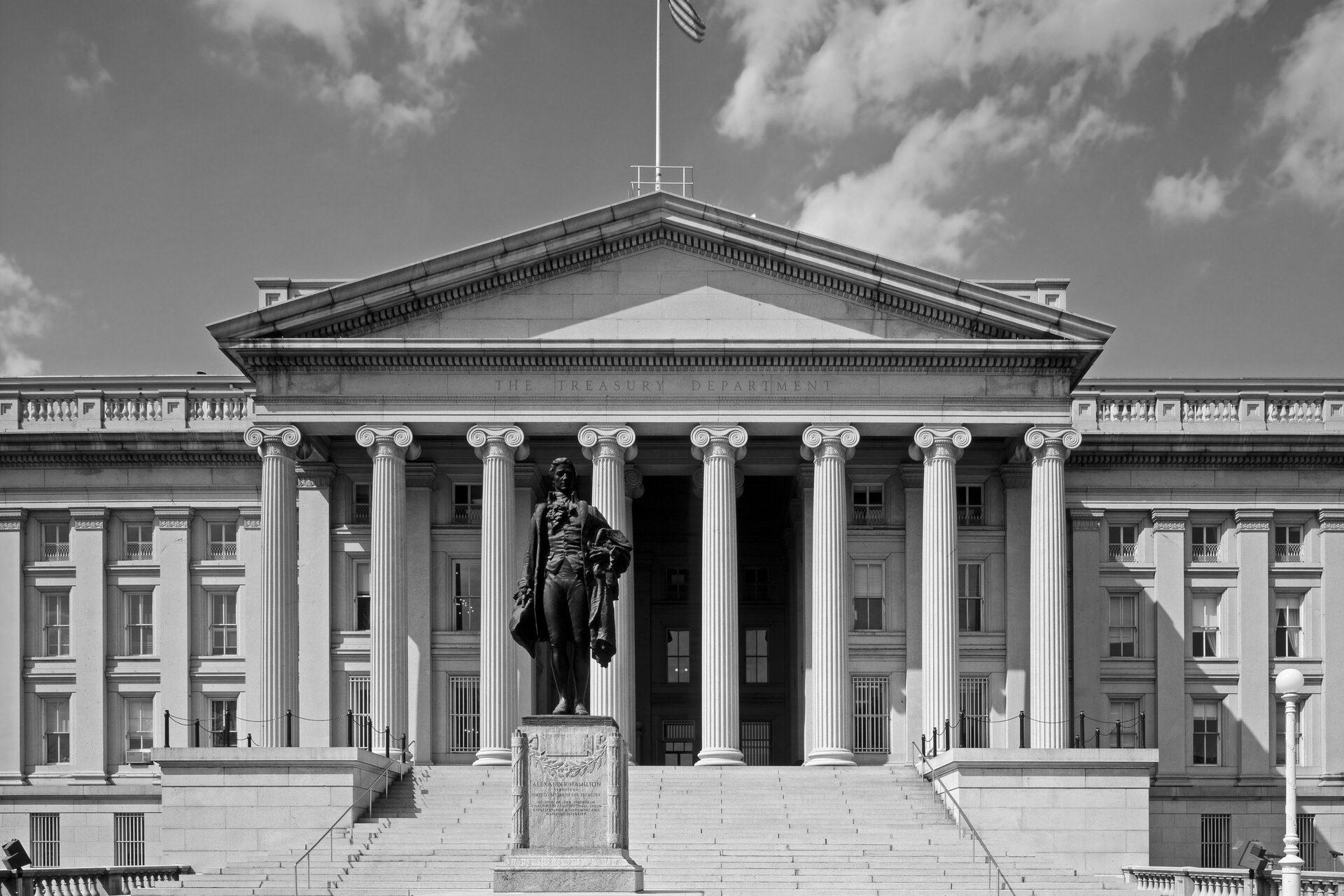
FinCEN bars US funds transfers to and from MEXC Global
- On 6 November 2026 FinCEN found MEXC Global, a Seychelles-incorporated crypto exchange, to be of primary money laundering concern in connection with Russian illicit finance.
- The order bars every US financial institution from any transmittal of funds to or from MEXC Global, crypto included. It comes from a FinCEN special measure, so check that your controls cover FinCEN orders as well as sanctions lists.
- Before the order takes effect, add MEXC Global and its named affiliates to your counterparty controls, look back for exposure and decide how you will handle crypto that arrives from MEXC.
Regulatory brief
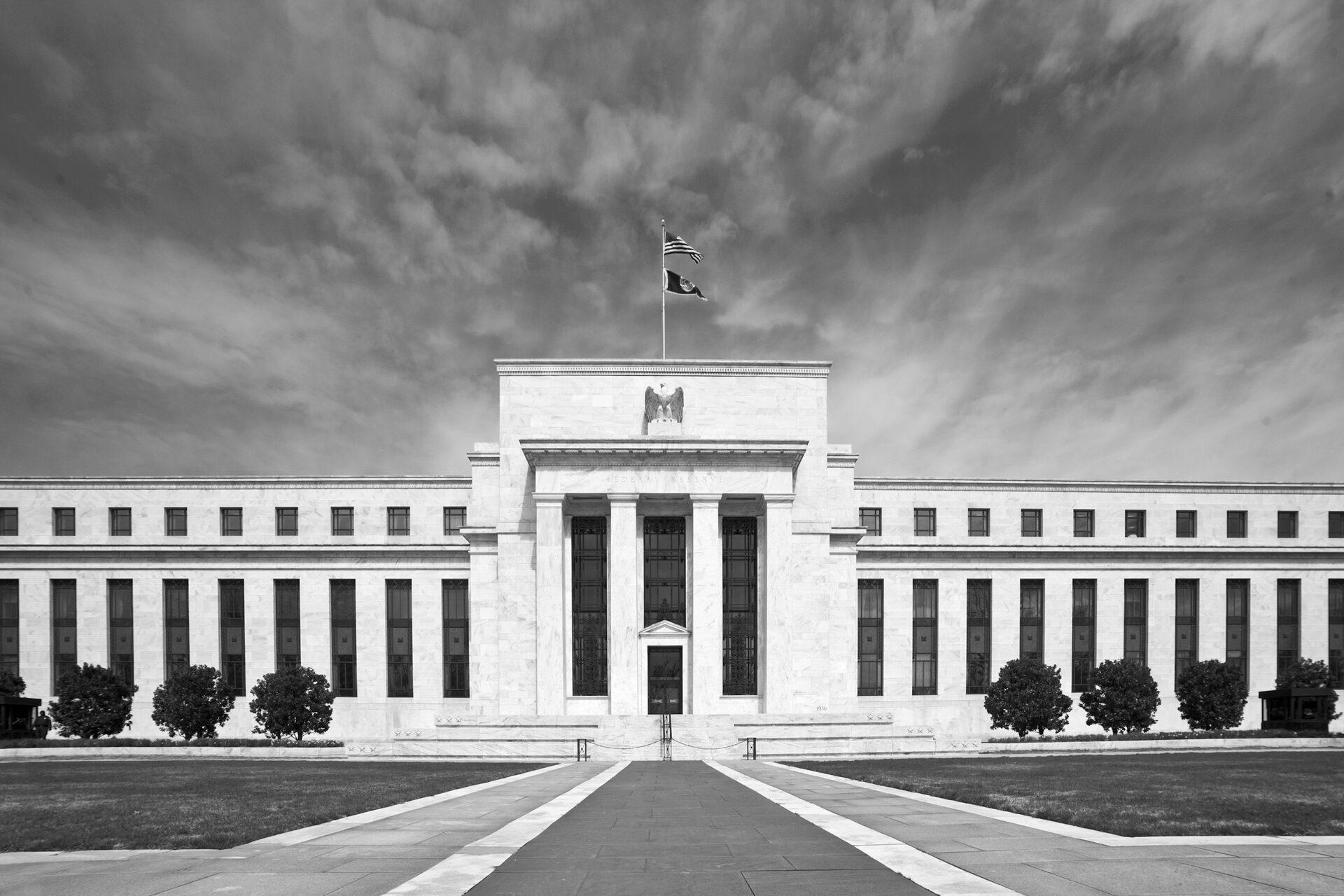
The $250 travel rule proposal is withdrawn
- On 9 November 2026 FinCEN and the Federal Reserve withdrew their 2020 proposal to cut the cross-border travel rule threshold from $3,000 to $250 and to name crypto in the rule's definition of money.
- The Recordkeeping Rule and Travel Rule apply unchanged at $3,000. FinCEN's 2019 guidance still says a crypto transfer can be a transmittal of funds within the Travel Rule.
- Keep your travel rule controls at $3,000 and watch for a new proposal: the agencies say any future change will go out for public comment first.
Also this week
The Justice Department acts on North Korea's alleged $6 billion Binance theft
On 12 November 2026 the US Department of Justice alleged that members of the North Korean military stole more than $6 billion in virtual assets from Binance on or about 29 October. It said US government and private sector efforts have frozen more than $2.7 billion, and that it has court authorisation to seize or restrain more than $1.2 billion. It also announced the disruption of FaceStealer, a scheme using covertly recorded videos and deepfakes that it says stole more than $400 million in the last 18 months.
Source: US Department of Justice.
ASIC's consultation on digital asset platform rules closes on 27 November
The Australian Securities and Investments Commission (ASIC) is consulting in Consultation Paper 392 on the guidance and standards that will implement Australia's new laws for digital asset platforms. ASIC opened the consultation on 15 October 2026 and takes submissions until 5pm AEDT on 27 November 2026. The regime for digital asset platforms and tokenised custody platforms commences on 8 April 2027.
Source: ASIC.
NYDFS sets advertising and marketing expectations for virtual currency firms
On 12 November 2026 the New York State Department of Financial Services (NYDFS) issued guidance on advertising and marketing by the virtual currency entities it licenses or charters. It expects accurate claims, clear disclosures, a marketing review process and due diligence on third-party promoters. Entities should update their advertising and marketing policies and procedures by 10 May 2027.
Source: NYDFS.
Canada's Maple Disruption 2.0 blocklists crypto addresses tied to fraud
The RCMP's National Cybercrime Coordination Centre and the Canadian Anti-Fraud Centre ran Maple Disruption 2.0 from 2 to 6 November 2026. Their 9 November release reports over 10,987 disruptive actions, among them blocklisting crypto addresses connected to fraud, and $1,063,809 recovered. The release headline gives the count as over 10,500.
Source: RCMP.